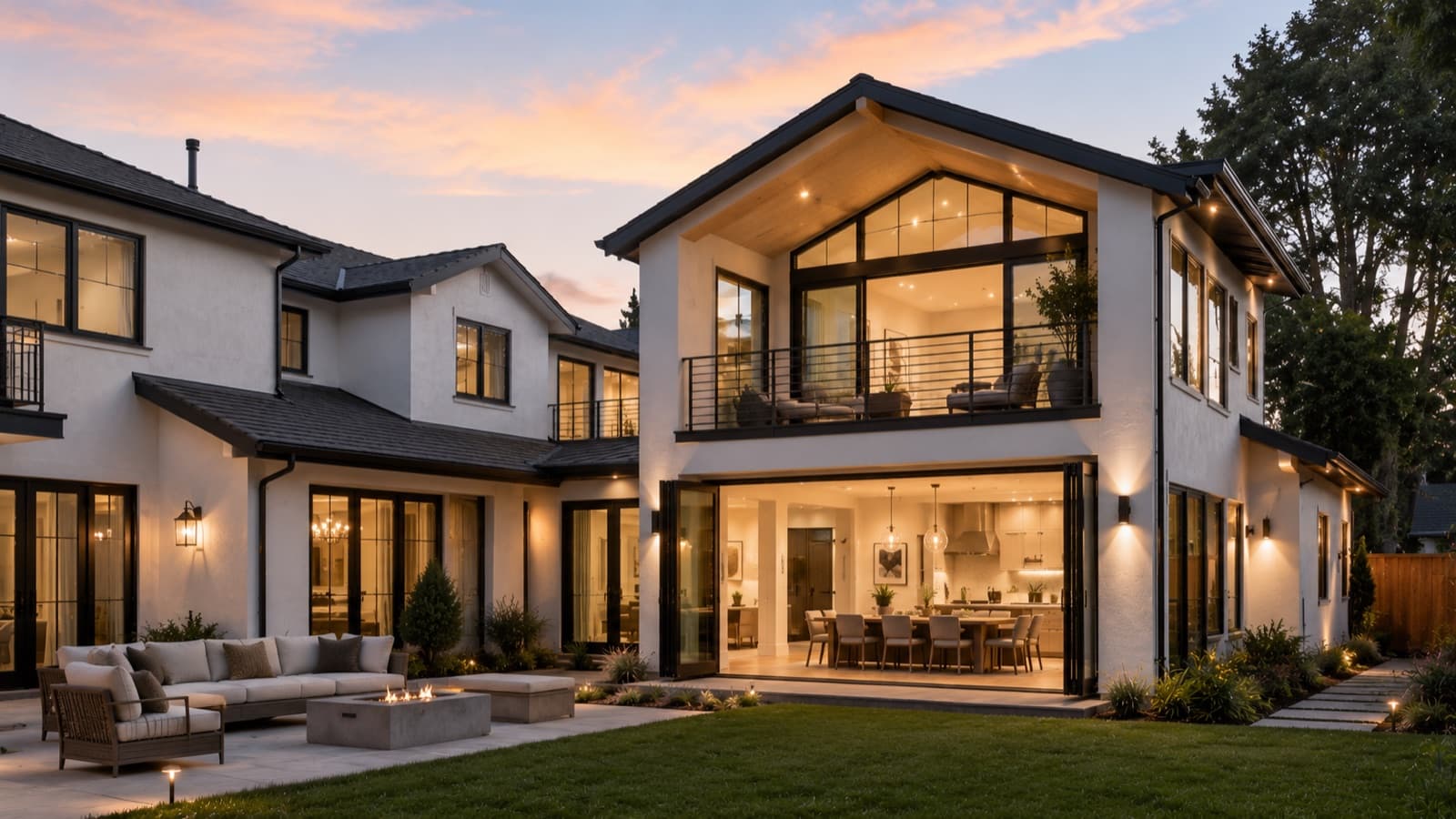
Looking for home additions in New Port Richey? LRG Contractors Group is a licensed Florida general contractor serving New Port Richey and the surrounding Pasco County — from Downtown / Sims Park, Gulf Harbors, River Ridge and beyond. Room additions, primary suites, and second stories that look original to the home.
When moving up means agent commissions, closing costs, and a bigger mortgage, adding on is often the smarter play — especially in established Tampa Bay neighborhoods where the right addition returns more than a relocation. The key is an addition that looks like it was always there, not bolted on.
For New Port Richey specifically, it comes down to local realities: New Port Richey's older, Gulf-adjacent homes and revitalized historic downtown make kitchen and bath modernizations — done with care for the home's age and coastal exposure — the steadiest, highest-value work here. New Port Richey runs its own building department under the Florida Building Code; its Gulf-adjacent location puts many homes in the wind-borne-debris region, and Gulf Harbors and low-lying waterfront homes can fall in FEMA flood zones affecting substantial remodels. We design and permit your home additions around exactly those conditions.
Home Additions in New Port Richey — what we handle
- Room and bedroom additions
- Primary-suite additions
- Second-story additions
- Bump-outs and rear extensions
- Structural and wind-load engineering, foundation work
- Roofline and exterior matching
- Impact-rated windows and doors where required
- Zoning, setback, permits, and inspections
Home Additions cost
Typical Tampa Bay ranges, not a quote. Additions price by square footage, structural complexity, wind-load requirements, and foundation work. Second stories cost more because the floor below must be reinforced. You get a fixed proposal after design.
Timeline
Room additions typically run 3–5 months; second stories 5–9 months, including design, engineering, and permitting.
New Port Richey permits
New Port Richey runs its own building department under the Florida Building Code; its Gulf-adjacent location puts many homes in the wind-borne-debris region, and Gulf Harbors and low-lying waterfront homes can fall in FEMA flood zones affecting substantial remodels.